Shared requirements
Have requesting teams clarify volumes, uses and constraints. Separate essential requirements from negotiable preferences. Identify approval owners.

TO UNDERSTAND AND PREPARE
Before processing a purchase request, some categories require analysis of needs, the supplier market and alternatives. Sourcing prepares that decision: it involves more than opening a catalogue or issuing an order.
Roles, practices and project support
METHOD AND CONTEXT
Sourcing Force + Buy Made Easy
Processing isolated orders reduces buyers' availability for supplier enquiries requiring in-depth analysis.
Sourcing Force centralises one-off purchases and structures information needed for supplier enquiries.
Buy Made Easy handles outsourced operations as the single supplier while your teams lead strategic choices.
Inside Sourcing Force
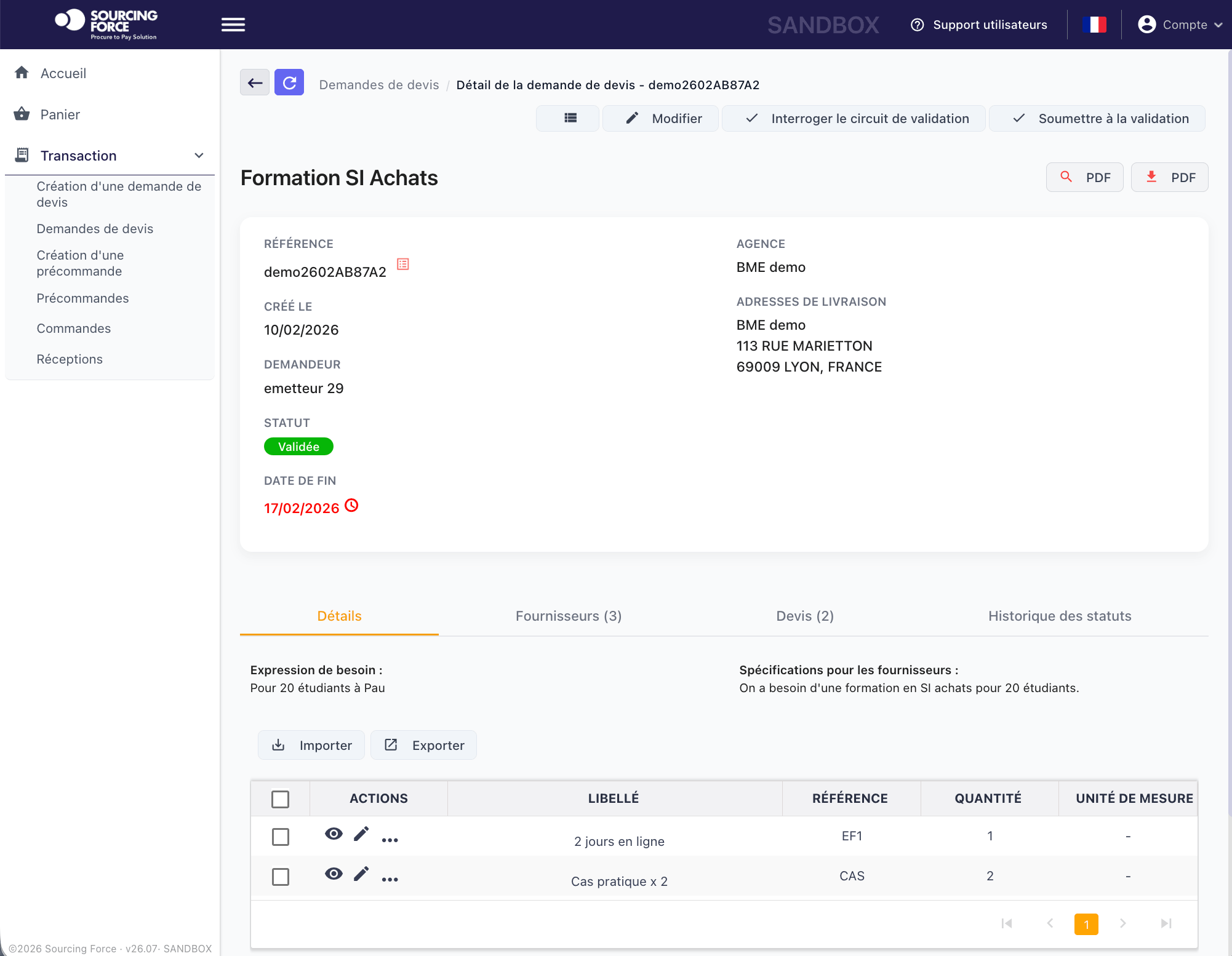
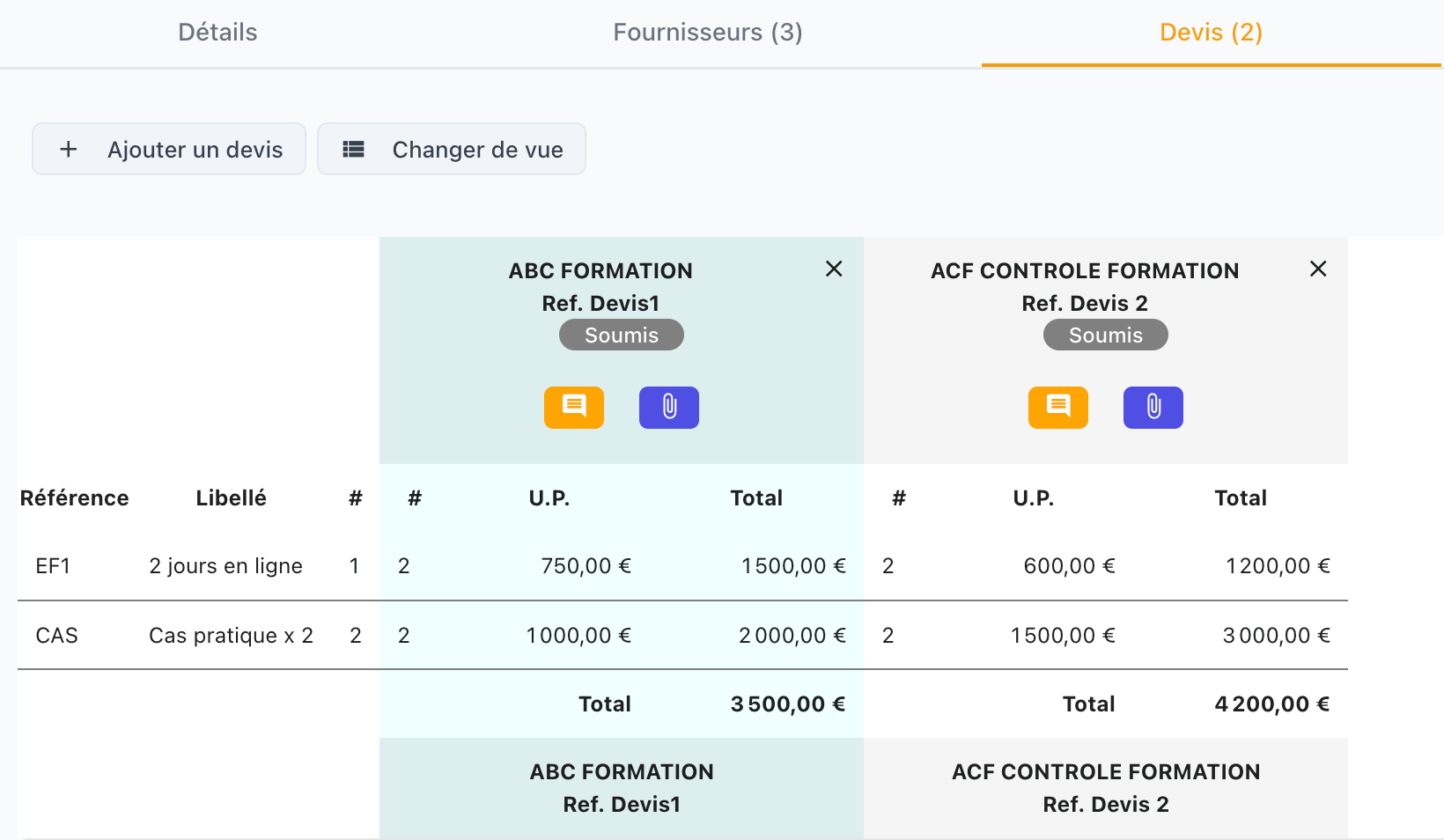
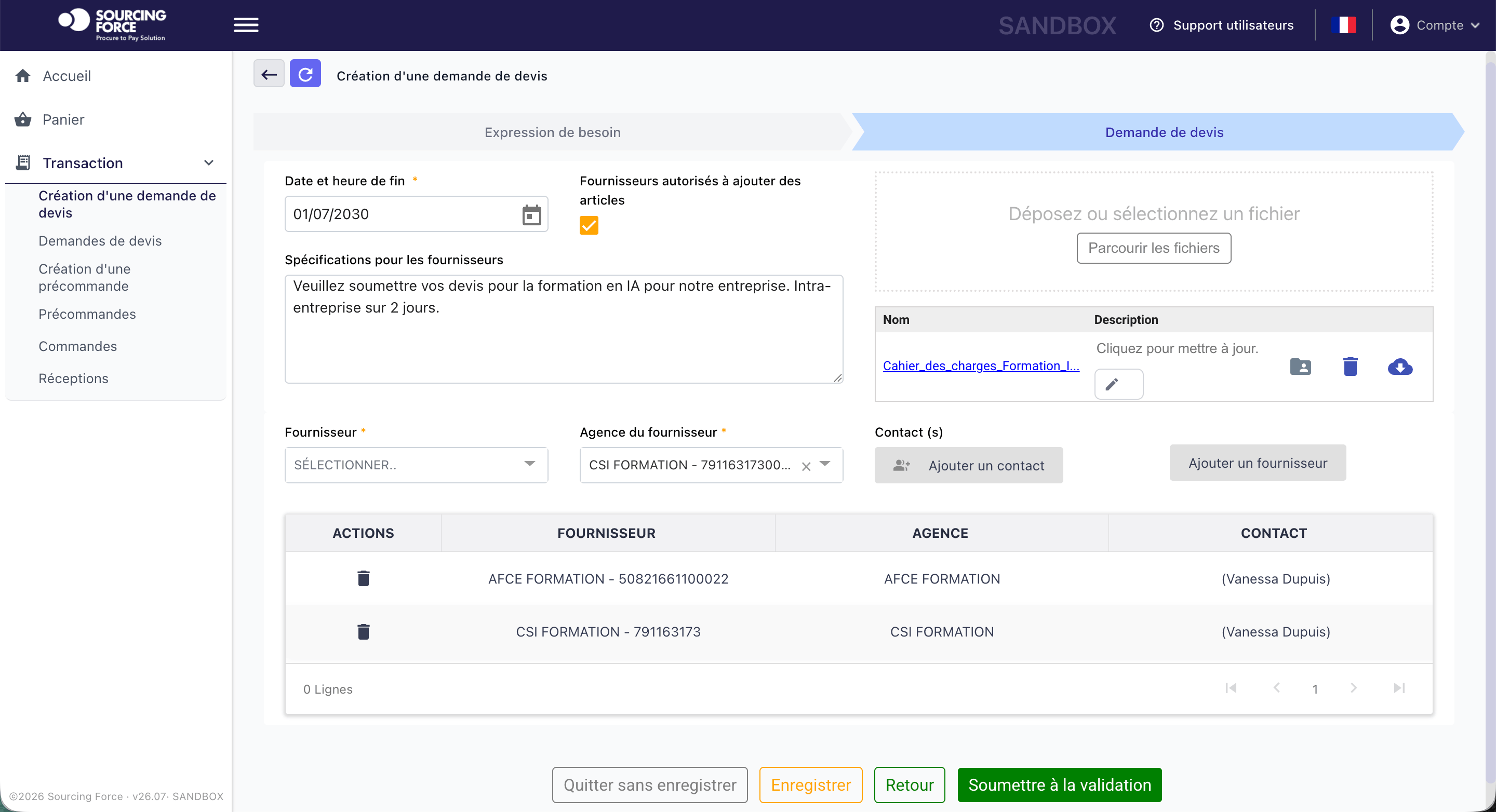
The starting point
Work starts with requirements sufficiently shared by business teams, procurement and project owners. Identify the use, constraints and open questions. Overly narrow specifications can exclude alternatives; vague wording makes responses difficult to compare.
The strategy depends on the category, criticality and options actually examined. Define criteria before collecting offers, then keep a record of assumptions and changes. The method described here prepares upstream work without assuming the native coverage of a complete Source-to-Contract tool.
For class C purchases, this work can help select categories to consolidate or operations to outsource. Preparing that decision must, however, remain distinct from daily request processing once the scope is agreed.
Information that matters
Have requesting teams clarify volumes, uses and constraints. Separate essential requirements from negotiable preferences. Identify approval owners.
Describe the options considered and their conditions of use. Check relevant information with the competent contacts; retain unanswered questions.
Define comparison dimensions and required evidence. Document any weightings, their rationale and how to handle an incomplete response.
A clear workflow
Information moves between teams. Responsibilities stay clear.
Examine the category and available data. Identify dependencies, uses and people to involve.
Write down requirements and criteria. Define the enquiry arrangements and timetable with the relevant owners.
Review responses using a shared framework. Clarify differences while distinguishing promises from evidence.
Record the decision, agreed conditions and information needed for the operational workflow.
A preparation checklist
| Dimension | Expected information | What to watch |
|---|---|---|
| Use | Response to the stated requirement | Assumptions and exclusions |
| Conditions | Price and comparable scope | Units and additional costs |
| Execution | Responsibilities and deliverables | Conditions actually offered |
| Continuity | Dependencies and alternatives | Demonstrated evidence |
A practical scope
Sourcing produces clarified requirements, criteria and a documented decision. The Procure-to-Pay workflow then organises requests and exchanges needed for execution within the agreed scope. Their connection must identify references and owners without assuming a complete native suite.
Your initial scope
A decision loses value if its conditions are not passed on to users. Identify the selected references, authorised scope and cases requiring fresh analysis. Define who maintains this information and how teams report a need outside the agreed boundaries.
Sourcing Force provides the application workflow and BME delivers assigned services, including sourcing operations agreed within the service scope. The ERP/S2P remains the system of record for rules, approvals, commitments and orders. Sourcing services and software functionality must be described separately in the project.
For class C purchases, start with a category for which data and contacts are available. Spend mapping helps assess fragmentation and priorities; it does not determine the supplier decision on its own. Reviewing requirements and alternatives completes the assessment.
Before proceeding, check that stakeholders understand the comparison criteria and limitations. Retain the points to monitor after launch: actual use, receipt information and changing needs. These will inform the next category review.
Prepare your project
Sourcing prepares requirements, alternatives and the supplier decision. Procure-to-Pay organises the operational workflow within the chosen scope, following your organisation's rules.
No. This page describes a method for upstream preparation and its connection with the operational workflow. Software functions and BME services must be defined for your project.
Write down requirements and criteria before collecting offers. Compare consistent scopes, clarify differences and retain the evidence supporting the decision.
Your next step
Let's discuss your class C purchases and how your organisation works.
Request your free assessment.