Requests and quotes
Bring together the need, identified supplier, line items and quote. Planned AI uses support document reading and structuring, depending on the chosen configuration.
Explore procurement automation ↗
The Sourcing Force solution
A third-party application to organise tail spend requests, suppliers and tracking. Your ERP or S2P remains the system of record for rules, approvals, commitments and purchase orders.
Sourcing Force + Buy Made Easy
Non-strategic purchases multiply across sites without a workflow as structured as that used for recurring purchases.
Sourcing Force brings these flows into a P2P application with AI assistance, catalogues and ERP/S2P data exchanges.
Buy Made Easy acts as the single supplier for purchases assigned to its outsourcing service.
Inside Sourcing Force
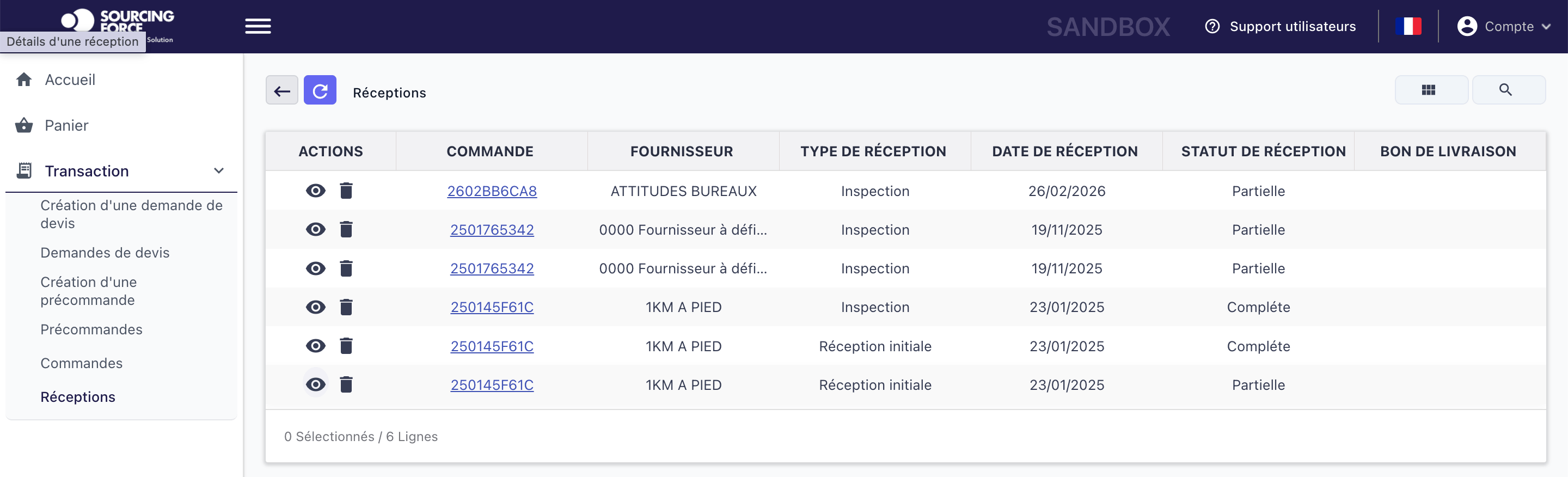
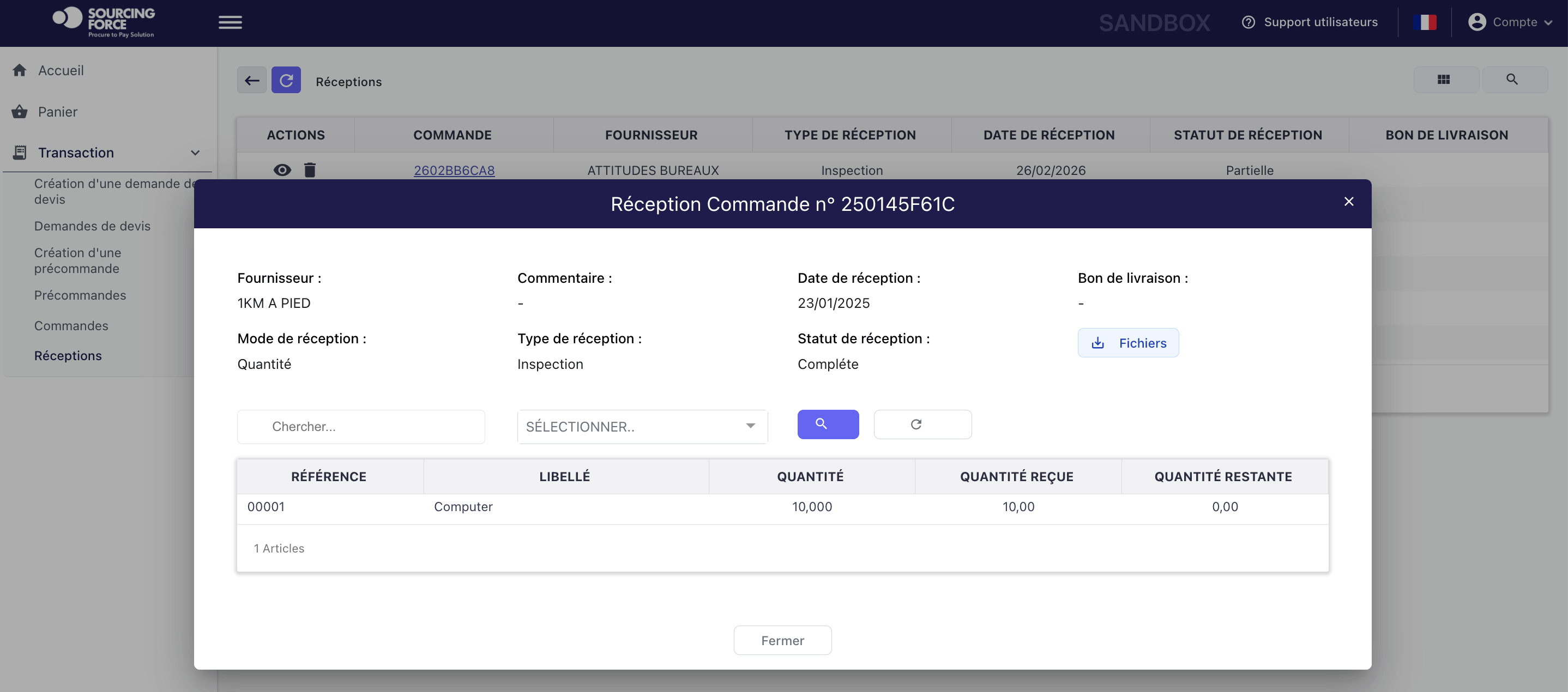
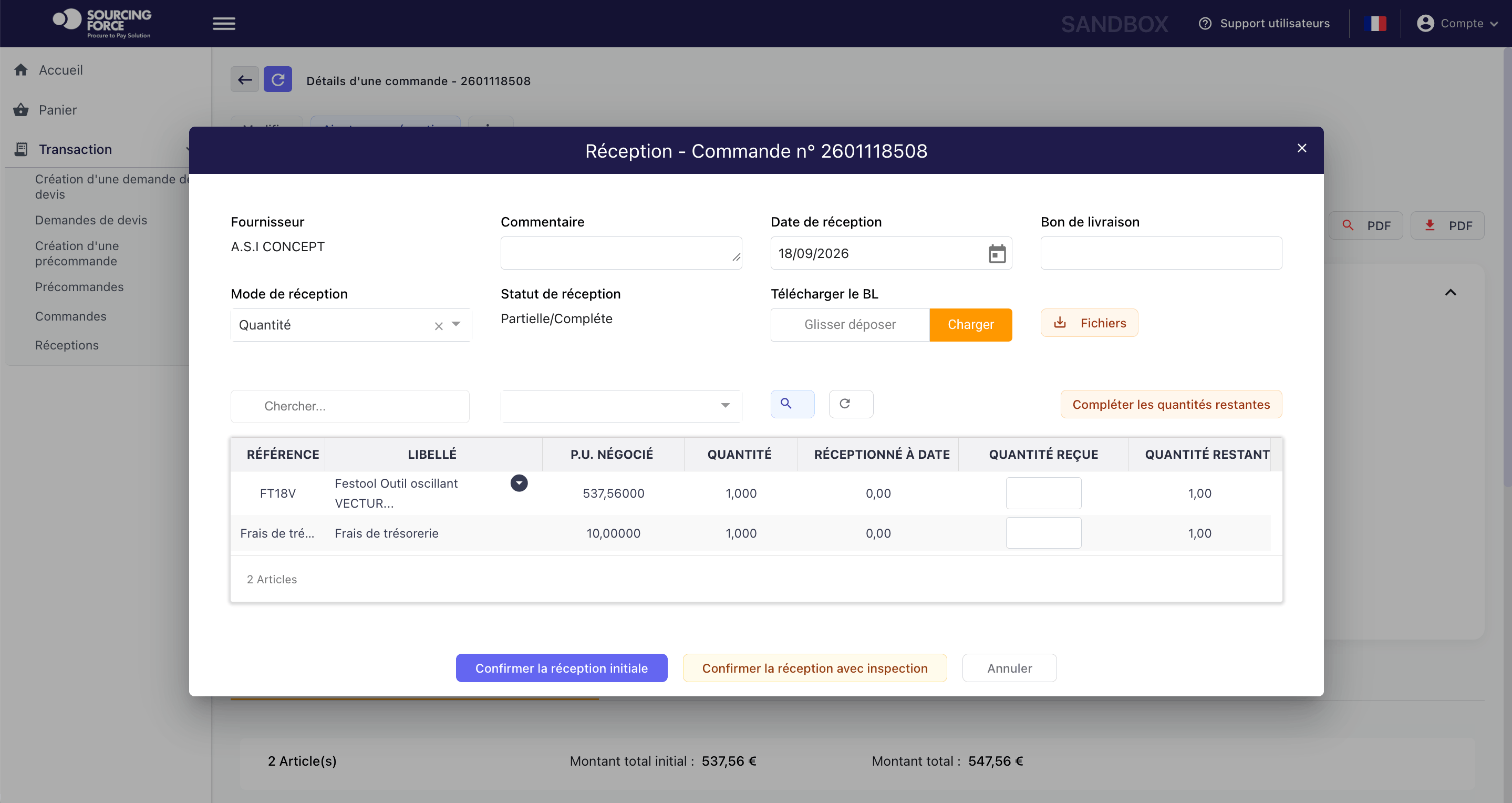
A defined scope
Managing class C purchases means adapting the way you handle items with a small share of total spend, often numerous and varied. The challenge involves requests and data as much as supplier relationships. Assess how critical a need is separately from its value.
Sourcing Force brings this scope into a specialist application. For procurement and IT teams, the starting questions are practical: which requests should pass through the application, which data must return to the system of record, and which operations stay in-house?
A focused scope
Choose the workflows your organisation needs, then define their data, access rights and exchanges.
Bring together the need, identified supplier, line items and quote. Planned AI uses support document reading and structuring, depending on the chosen configuration.
Explore procurement automation ↗Offer hosted catalogues or access to the supplier's website. The cart enters the workflow agreed with your ERP/S2P for approval and ordering.
Compare PunchOut and hosted catalogues ↗Spending limits, approval workflows and restrictions on suppliers or categories apply your procurement policy within the application's agreed scope.
Cost centres, projects and categories structure the information. Their configuration or exchange via API is organised around the system of record and agreed fields.
Prepare your procurement ERP integration ↗Centralise supplier discussions and track operations and payments. A payment status provides information about progress; it does not execute a bank payment.
Custom dashboards put spend, suppliers and activity into context. Define indicators around the decisions you need to make.
Analyse procurement spend ↗How the functions are shared
Request, quote and cart
↓ Structured data enters the agreed workflow
Suppliers, discussions and status updates
↔ Information on assigned operations
Spend, activity and KPIs
↑ Information to support procurement decisions
This division defines functional responsibilities. Work with your IT team to specify the data objects, direction and frequency of exchanges for the agreed scope.
Inside the application
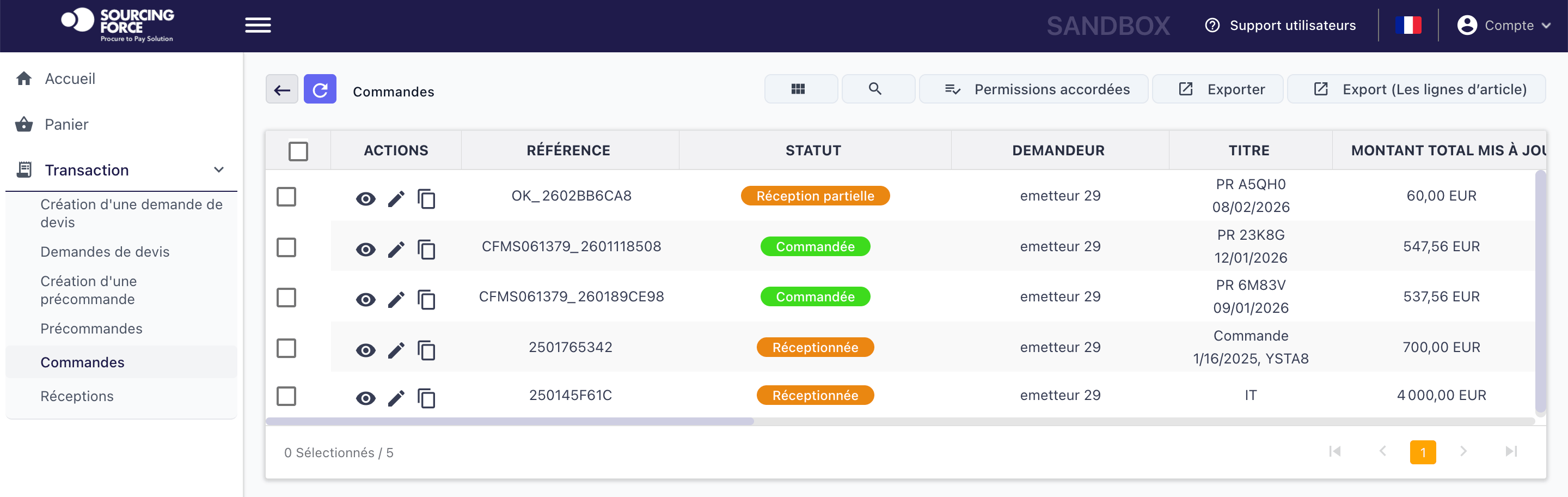
The pre-order brings together the supplier, branch, contacts, quote and items. It prepares the next steps in the purchasing workflow.
Application and services
Sourcing Force structures workflows, data and tracking. Your team can use the application for operations it handles in-house.
BME Consulting delivers outsourcing services for the purchases assigned to it. The application and services can be used together or separately; your teams define the scope.
Outsourcing: BME's responsibilities ↗Documented use cases

The 2016–2017 case describes a customised solution, including a supplier portal, contracts and spend mapping. It illustrates a project over a defined period, with support for users.

The BME account describes digital procurement outsourcing and catalogues accessible from the ordering system. It shows how the application and services work together for one-off purchases.
Read the BME customer story (French) ↗Build your workflow
Prepare your project
You can start with a limited scope: catalogues, quote-based requests or tracking purchases assigned to BME. Define the users, data and exchanges needed before expanding. The demonstration and deployment should reflect that scope.
The client remains responsible for its procurement policy and ERP/S2P system of record. Limits, workflows and restrictions configured in Sourcing Force must follow the agreed framework. Procurement and IT teams define the detailed access rights and data exchanges.
Your next step
Let's discuss your class C purchases and how your organisation works.
Request your free assessment.